
Save the Date: EFA 2026 Annual General Meeting on 28 November 2026

Call for Nominations to Electronic Frontiers Australia Inc. Board EFA members are invited to nominate for election to the Board. As per Rule 10.4 of the EFA Rules of Incorporation, there will be 7 vacant Board seats at the AGM. EFA has been in existence for over 30 years and many past and present Board […]
EFA Advocacy Updates

New Partnership For over a century, Australia has led the world in building a robust democracy. We were among the first nations to offer women the vote. We pioneered the secret ballot. Our elections are free and fair. The foundations of our democratic system are the envy of the world. But to keep it that […]
EFA Board Welcomes New Intern: Sara Doczi
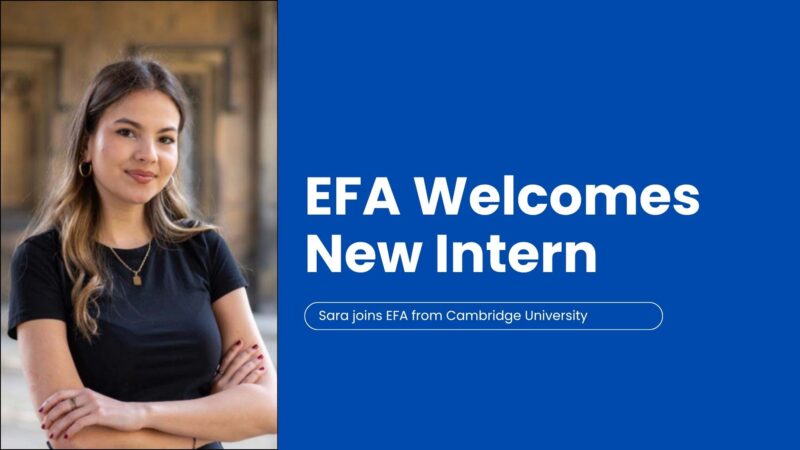
As part of our volunteering program, EFA is excited to welcome Sara Doczi from Cambridge University.
EFA Board Welcomes New Intern
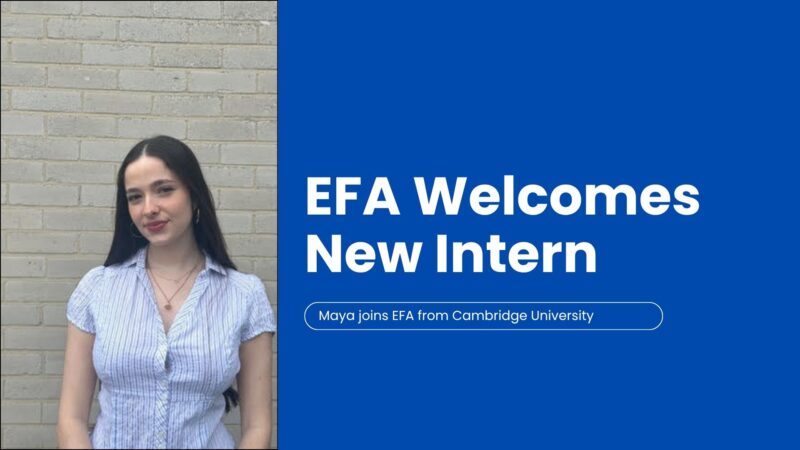
EFA welcomes intern Maya Layish from Cambridge University. Maya will support EFA in a range of public facing and back office activities.
EFA Inc Membership Engagement Survey 2025

By EFA Chair, John Pane. It’s been some time since we’ve done this. And it’s about time! As you know, as part of our advocacy work EFA has been chipping away at awareness-building activities (think media interviews and newsletters) and on the ground policy work to push for digital rights policies that matter most to you […]